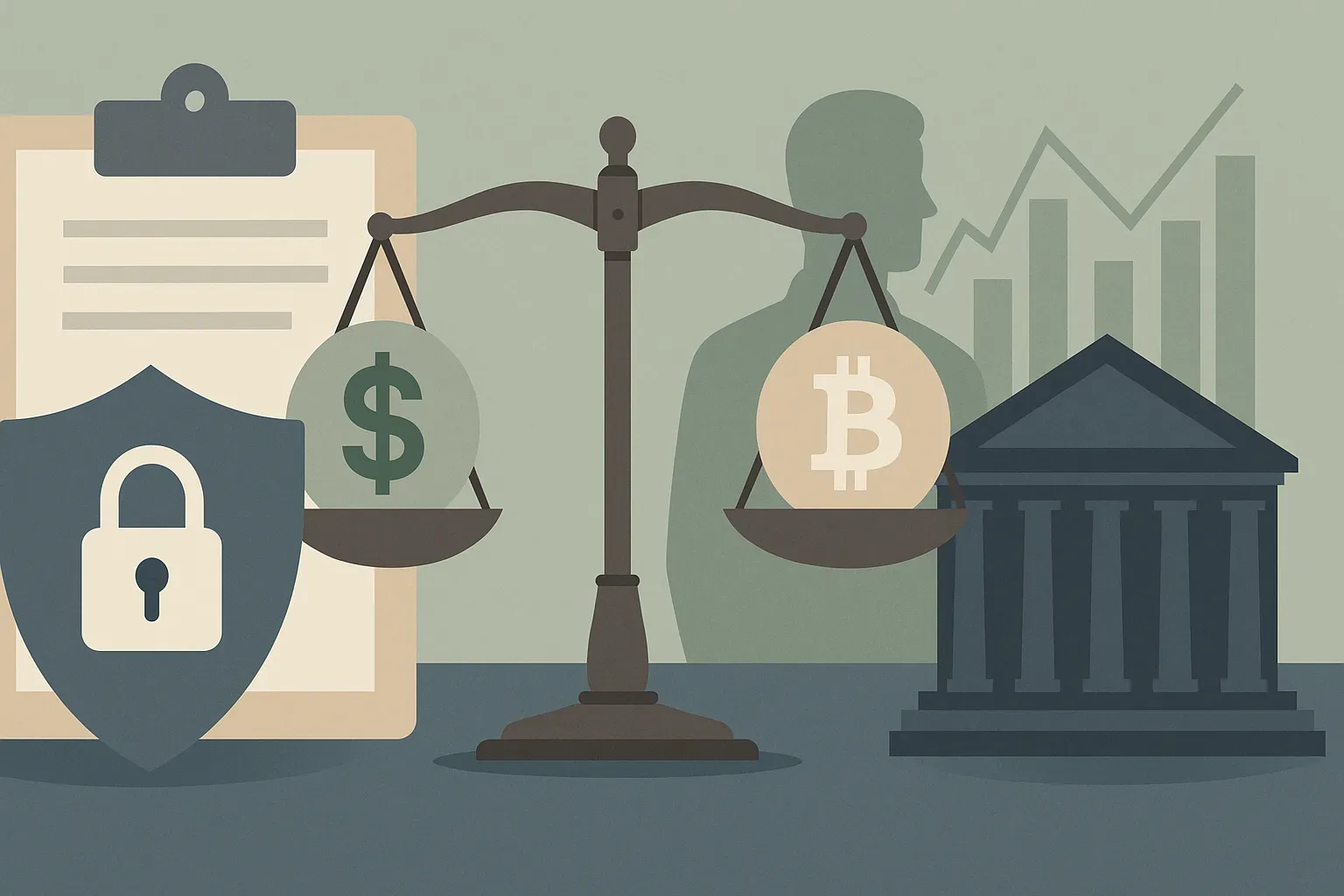
Market Analysis Real Estate
Market Analysis Real Estate: a practical, no-hype guide for readers from Checkbtctransaction.

Introduction: The Convergence of Real Estate and Crypto Market Analysis
The traditional real estate market, long characterized by its illiquidity, high transaction costs, and opaque processes, is undergoing a profound transformation. This shift is driven by the advent of blockchain technology and the emergence of tokenized assets, particularly within the real estate sector. Market analysis, a critical discipline for understanding asset performance and potential, must now evolve to incorporate the unique characteristics and data streams offered by these digital innovations. This section examines the changes in real estate market analysis, exploring how the tokenization of property assets introduces new dimensions and methodologies for evaluating market dynamics. It examines the synthesis of established real estate valuation principles with crypto-native metrics, offering a full perspective on assessing risk, opportunity, and liquidity in this nascent yet rapidly expanding domain. The convergence demands a fresh analytical framework, one that bridges centuries-old property investment strategies with modern decentralized finance paradigms, providing general readers with an honest explanation of this significant market shift.
Understanding Tokenized Real Estate: A New Asset Class
Tokenized real estate refers to the process of converting traditional property rights or ownership interests into digital tokens on a blockchain. Each token represents a fractional share of a property, a portfolio of properties, or an interest in a real estate investment vehicle. This fractionalization lowers the barrier to entry for investors, allowing them to own a portion of high-value assets with smaller capital outlays. The underlying assets can range from residential homes and commercial buildings to land parcels and entire real estate funds. These tokens, often created as security tokens, are programmable and transferable on a blockchain, inheriting the benefits of decentralization, transparency, and immutability. Unlike traditional shares or deeds, tokenized real estate can represent direct ownership, debt, or equity, and can be traded on digital exchanges, potentially offering significantly enhanced liquidity compared to the conventional real estate market. This new asset class fundamentally redefines property ownership and investment structures.
Traditional Real Estate Market Analysis: Bridging to Tokenized Assets
Traditional real estate market analysis relies on a well-established set of metrics and methodologies to assess property value, investment potential, and market health. Key factors include location analysis, property type and condition, rental income streams, capitalization rates, comparable sales analysis, vacancy rates, and demographic trends. These conventional approaches remain foundational even for tokenized real estate. While the wrapper changes from a physical deed to a digital token, the underlying asset is still a tangible property with inherent value derived from its physical attributes and economic utility. Therefore, analysts must continue to evaluate factors such as property performance, local market conditions, tenant quality, operating expenses, and potential for appreciation or rental yield. The challenge and opportunity lie in bridging these traditional insights with the new data available from the blockchain.
Crypto-Native Metrics for Tokenized Real Estate Valuation
The emergence of tokenized real estate introduces a suite of crypto-native metrics that complement traditional valuation methods, providing deeper insights into market sentiment, activity, and asset health. One such metric is the number of unique token holders, which can indicate the breadth of adoption and decentralization of ownership. On-chain transaction volume for the property tokens reveals actual trading activity and demand. Token velocity, measuring how often tokens change hands, can signal market enthusiasm or speculative interest. Analyzing the order book depth on digital asset exchanges for these tokens provides a real-time snapshot of liquidity and price discovery. Metrics like average holding period, distribution of token ownership, and developer activity around the token's smart contract can offer qualitative and quantitative insights not available in traditional real estate markets. These blockchain-derived data points offer unprecedented transparency and real-time insights into market dynamics.
Evaluating Liquidity and Market Depth in Tokenized Real Estate
One of the most touted benefits of real estate tokenization is the promise of enhanced liquidity. Traditional real estate is notoriously illiquid, with transactions often taking months to complete and incurring significant costs. Tokenization aims to transform this by enabling fractional ownership and instant transferability on blockchain networks. Evaluating liquidity in tokenized real estate involves assessing several factors. This includes the availability of active trading venues, such as centralized crypto exchanges or decentralized exchanges (DEXs) where the tokens are listed. Market depth, measured by the volume of buy and sell orders at various price levels, indicates how easily large orders can be executed without significant price impact. The integration of real estate tokens into decentralized finance (DeFi) protocols, such as lending or borrowing platforms, can provide additional liquidity avenues and utility, further distinguishing them from traditional assets.
Risk Factors and Opportunities in Crypto-Enabled Property Investments
Transparency afforded by blockchain records of ownership and transactions can reduce fraud and improve auditability. Regulatory uncertainty is significant, as governments globally are still developing frameworks for digital assets and security tokens. The reliance on blockchain infrastructure introduces technological risks like network congestion or security breaches.
Case Studies: Analyzing Early Tokenized Real Estate Markets
Consider a hypothetical project tokenizing a luxury commercial building in a major city. Traditional analysis would focus on the building's rental yield, tenant quality, location desirability, and comparable property values. With tokenization, the analysis expands to include the performance of the property's security tokens on secondary markets. Another case might involve a tokenized real estate fund investing in residential properties across multiple regions. Here, traditional portfolio analysis would combine with metrics like the fund token's on-chain distribution, liquidity on DEXs, and any integration with DeFi protocols for staking or lending.
Challenges and Future Trends in Real Estate Tokenization Analysis
Regulatory uncertainty remains a significant analytical challenge, as evolving legal frameworks can impact asset classification, investor protections, and market access. Reliable and accurate oracle solutions that connect real-world property data (like appraisal values or rental income) to the blockchain are essential for accurate valuation. The industry also needs standardized reporting metrics and robust data infrastructure to facilitate thorough analysis. Looking ahead, future trends will likely include greater integration with Decentralized Finance (DeFi) ecosystems, allowing tokenized real estate to be used as collateral for loans or participate in yield-generating strategies. Increased institutional participation, clearer regulatory guidelines, and the development of more sophisticated analytical tools capable of effectively blending traditional and crypto-native data will drive the maturity and analytical sophistication of this emerging asset class.
Conclusion: A New Era for Real Estate Market Insights
The tokenization of real estate is not merely a technological novelty; it represents a fundamental paradigm shift in how property assets are owned, traded, and analyzed. This convergence of traditional real estate principles with blockchain technology demands a sophisticated and multi-faceted analytical approach. By integrating established metrics like capitalization rates and comparable sales with crypto-native data points such as unique token holders, on-chain volume, and market depth, investors and analysts can gain an unprecedentedly thorough understanding of property markets. While challenges related to regulation, standardization, and data integration persist, the opportunities for increased liquidity, fractional ownership, global accessibility, and transparency are transformative. As the real estate tokenization market matures, the ability to effectively blend these diverse analytical dimensions will be essential for identifying value, managing risk, and capitalizing on the changing field of crypto-enabled property investments, heralding a new era for real estate market insights.
How does tokenization fundamentally change the way real estate markets are analyzed?
Tokenization fundamentally alters real estate market analysis by introducing fractional ownership, dramatically enhancing liquidity, and providing unprecedented transparency through immutable blockchain records. Traditionally, analysis focused on whole properties, requiring substantial capital. Now, analysts must consider the market dynamics of individual tokens, which can represent minute shares of a property. This shift allows for more granular data collection on ownership distribution and trading activity, like public equities. The ability to trade these fractions on secondary markets means market value can be discovered in near real-time, unlike the lagged and often opaque valuations of physical properties. The inherent transparency of blockchain allows for public verification of transactions and ownership, reducing reliance on intermediaries and offering new data points for assessing market sentiment and demand.
What specific crypto-native metrics and data points can be applied to evaluate tokenized real estate?
Specific crypto-native metrics for tokenized real estate valuation include the number of unique token holders, indicating distribution and participation breadth. On-chain transaction volume and velocity provide insights into trading activity and market interest, reflecting real-time demand and supply dynamics. The total market capitalization of a tokenized property or fund, calculated by multiplying token price by total supply, offers a direct measure of its digital market valuation. Liquidity pool depth and slippage on decentralized exchanges, if tokens are integrated with DeFi, reveal how easily large orders can be executed. Also, smart contract audit results and developer activity on the project's blockchain repository can indicate the security and ongoing development health of the tokenized asset, factors not present in traditional real estate analysis.
What are the unique opportunities and risks involved in analyzing tokenized real estate compared to traditional real estate?
Unique opportunities in analyzing tokenized real estate include access to granular, real-time trading data previously unavailable for illiquid physical assets, enabling more precise valuation and risk modeling. Fractional ownership opens real estate investment to a global pool of smaller investors, potentially increasing market demand and efficiency. The integration with DeFi protocols can offer novel yield opportunities and enhanced liquidity mechanisms. Smart contract vulnerabilities present a technological risk of asset loss. The inherent volatility of the broader cryptocurrency market can also spill over, introducing price fluctuations not directly tied to the underlying physical asset's performance. Assessing the true value of off-chain assets represented by on-chain tokens requires reliable oracle solutions, which introduce another layer of analytical complexity.
How do blockchain's inherent properties (transparency, immutability) impact real estate market analysis?
Blockchain's inherent properties profoundly impact real estate market analysis by enhancing transparency and data integrity. Transparency means all transactions and ownership records for tokenized properties are publicly visible and verifiable on the blockchain, eliminating the need for private databases and reducing information asymmetry. Analysts can track ownership changes, transaction volumes, and token distribution in real-time, providing a clearer view of market activity. Immutability ensures once a transaction or record is added to the blockchain, it cannot be altered or deleted. This guarantees the integrity of ownership history and transaction data, reducing the risk of fraud and disputes. These properties streamline due diligence, improve auditability, and provide a trusted, unalterable source of market data, fundamentally transforming how market health, liquidity, and participant behavior are assessed in real estate.
What role do smart contracts and decentralized finance (DeFi) play in the analysis of tokenized real estate markets?
Smart contracts and Decentralized Finance (DeFi) are important in the analysis of tokenized real estate markets by enabling automated, trustless processes and new financial opportunities. Smart contracts automate the rules of ownership, transfer, and revenue distribution for tokenized properties, allowing analysts to examine the code to understand the precise mechanics of an asset. This programmable aspect introduces new layers of financial engineering, such as automatic dividend payouts or vesting schedules, which are directly auditable on-chain. DeFi integration means tokenized real estate can be used as collateral for loans, staked for yield, or traded on automated market makers (AMMs). Analysts must therefore evaluate metrics like Total Value Locked (TVL) in DeFi protocols, lending rates, and integration opportunities to understand the full utility and demand for these tokens beyond simple ownership, adding significant depth to market analysis.