Federal Acquisition Regulation
Federal Acquisition Regulation: a practical, no-hype guide for readers from Checkbtctransaction.
Introduction
For companies operating in the digital asset space, understanding FAR is not merely a bureaucratic hurdle but a strategic imperative.
The Unlikely Intersection: Why FAR Matters for Crypto Companies
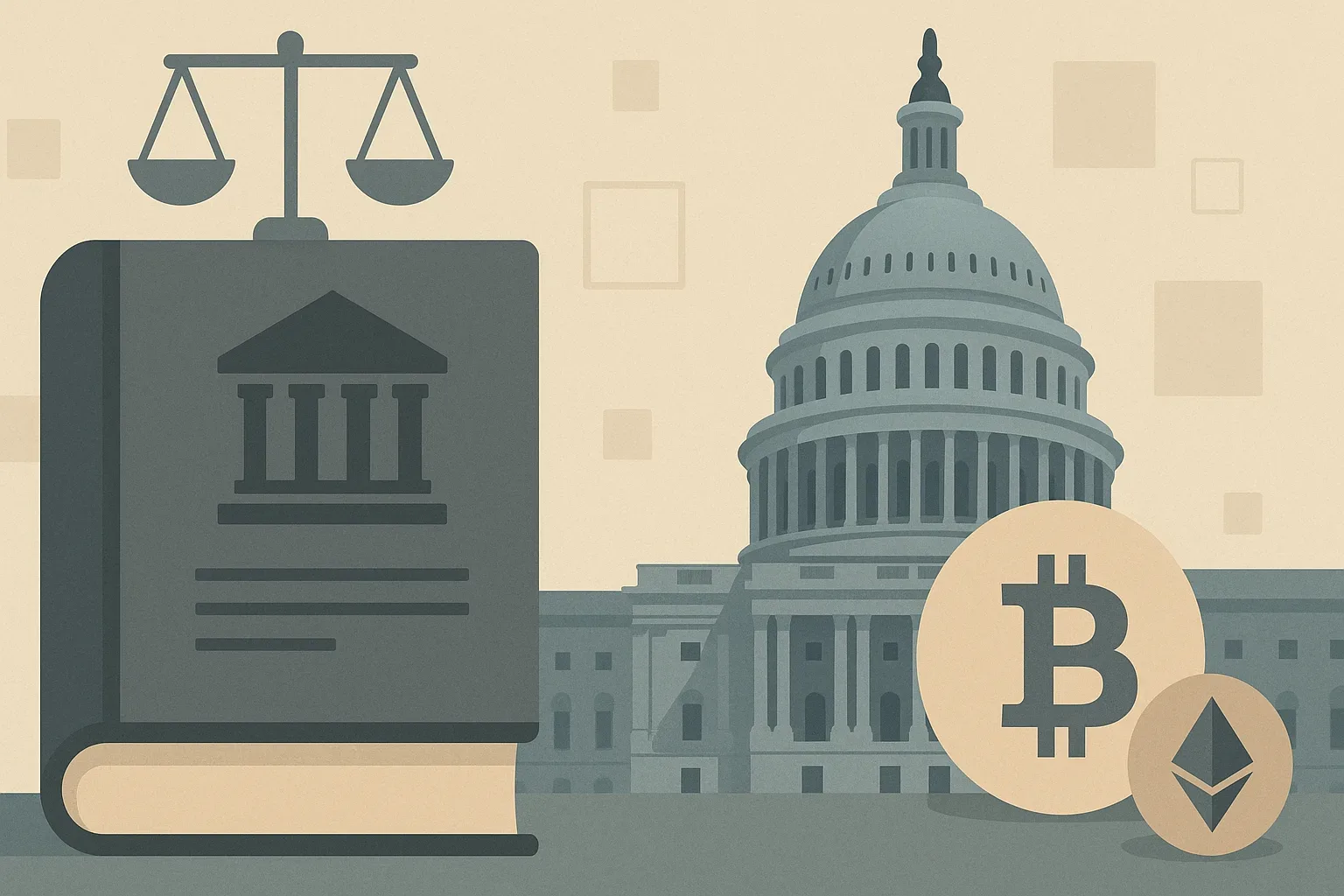
The Federal Acquisition Regulation is a comprehensive set of rules that governs the acquisition process for all executive agencies of the U.S. federal government. However, as the U.S. government increasingly explores and adopts digital ledger technologies for various functions, from supply chain management and secure data exchange to digital identity verification and even potential central bank digital currency research, FAR becomes directly relevant. How does the Federal Acquisition Regulation (FAR) specifically apply to companies developing or utilizing cryptocurrency and blockchain technologies? It applies by establishing the baseline requirements for any entity wishing to do business with the federal government. This includes mandates related to cybersecurity, financial transparency, supply chain integrity, data privacy, and ethical conduct, all of which must be translated and enforced within the context of blockchain's unique technical and operational characteristics. Crypto companies cannot simply operate outside these regulations; any government contract, regardless of its technological focus, will fall under FAR's purview, demanding adherence to its extensive provisions.
FAR Fundamentals: A Primer for Blockchain Innovators
It provides standardized policies and procedures for federal agencies to procure goods and services, ranging from office supplies to complex defense systems. The FAR is structured into 53 parts, each addressing a specific aspect of the acquisition process, from general requirements and definitions (Part 1 and 2) to contract types (Part 16), special contracting methods (Part 17), and contract clauses (Part 52). Ignorance of these rules can lead to disqualification, costly errors, or even legal repercussions. While the technology may be novel, the government's underlying procurement principles remain steadfast.
Applying Traditional Regulations to Decentralized Tech: FAR's Reach into Blockchain
Who is ultimately responsible for data safeguarding under FAR 52.204-21, Basic Safeguarding of Covered Contractor Information Systems, when information is spread across multiple nodes globally? The energy consumption associated with certain blockchain consensus mechanisms, particularly Proof of Work, might trigger considerations under FAR Part 23 related to environment and energy efficiency. Adapting these traditional regulations to the nuances of decentralized technology requires careful interpretation and, at times, policy innovation to ensure both technological advancement and regulatory adherence.
Critical Compliance Areas: FAR Clauses Impacting Crypto Contract Bidders
For crypto and blockchain firms targeting U.S. government contracts, several FAR clauses and compliance requirements pose specific challenges. What specific FAR clauses and compliance requirements pose the greatest challenges for crypto and blockchain firms seeking U.S. government contracts? FAR Part 31, Cost Principles, dictates how contractors must account for costs, a process that can be challenging for companies with non-traditional revenue streams or unique operational expenses typical of the crypto industry. Companies must be able to demonstrate that their cost structures are reasonable and allocable to government contracts. The U.S. government's stance on digital assets, whether they are considered commodities, securities, or currencies, directly influences how contracts involving them are structured and managed.
Market Opportunities: Government Demand for Blockchain Solutions and Digital Assets
Despite the compliance complexities, significant market opportunities exist for crypto and blockchain companies within the U.S. government's procurement landscape. What current and prospective market opportunities exist for crypto and blockchain companies within the U.S. government's procurement landscape? The government is actively exploring blockchain for enhancing transparency, security, and efficiency across numerous sectors. The Department of Defense (DoD) has shown interest in secure communications and logistics. The General Services Administration (GSA) explores blockchain for streamlining procurement and record-keeping. The Department of Homeland Security (DHS) has invested in blockchain for enhancing border security and combating illicit finance. Are there particular government agencies or initiatives actively seeking blockchain or crypto-related solutions through FAR-governed contracts? Yes, agencies such as DARPA (Defense Advanced Research Projects Agency) and AFWERX within the Air Force regularly issue solicitations for innovative technologies, including distributed ledger solutions.
Strategic Navigation: Winning Government Contracts in the Crypto Space
Winning government contracts in the crypto space requires a strategic and methodical approach. What strategic steps should crypto businesses take to successfully navigate the federal acquisition process and secure government contracts? First, it is imperative to thoroughly understand the FAR and, if applicable, agency-specific regulations like DFARS. This includes investing in personnel with expertise in government contracting or partnering with experienced government contractors. Second, companies must prioritize cybersecurity and data privacy, demonstrating compliance with federal standards such as NIST Special Publications. Robust internal controls and audit capabilities are non-negotiable. Third, focus on clearly articulating the tangible benefits and return on investment that blockchain solutions offer to specific government challenges, rather than simply highlighting the technology itself. Emphasize how blockchain enhances security, reduces costs, improves transparency, or streamlines operations. Fourth, consider teaming agreements or joint ventures with established government contractors. Fifth, proactive engagement with agencies, attending industry days, and responding to Requests for Information (RFIs) can help shape future solicitations and position your company as a thought leader. Finally, be prepared for a longer sales cycle and a more rigorous vetting process than typically encountered in the commercial sector. Patience, persistence, and unwavering commitment to compliance are vital for success.
The Road Ahead: Future Adaptations of FAR for a Digital Economy
The Federal Acquisition Regulation is not a static document; it undergoes continuous revisions and updates to adapt to evolving technologies and policy priorities. How is the Federal Acquisition Regulation expected to evolve to better address the unique characteristics and challenges of emerging digital asset and blockchain technologies? Future adaptations of FAR are likely to include more explicit guidance and potentially new clauses tailored specifically for digital ledger technologies. This could involve clarifications on data ownership and governance in decentralized networks, updated cybersecurity requirements accounting for cryptographic principles, and new frameworks for evaluating the reliability and security of blockchain platforms. There may be specific provisions addressing the procurement of digital assets themselves, distinct from services or software, particularly if the government directly uses cryptocurrencies or CBDCs. Policy makers are grappling with questions of jurisdictional reach, foreign ownership of blockchain infrastructure, and the ethical implications of AI and DLT integration. Expect to see increased emphasis on open standards, interoperability, and the development of specialized acquisition vehicles designed to facilitate the rapid procurement of emerging technologies. The government is incentivized to balance the need for regulatory certainty and contractor accountability with the imperative to embrace innovation. Therefore, proactive engagement from the crypto and blockchain industry in policy discussions and pilot programs will be critical in shaping a FAR that effectively supports a secure and efficient digital economy for the federal government.