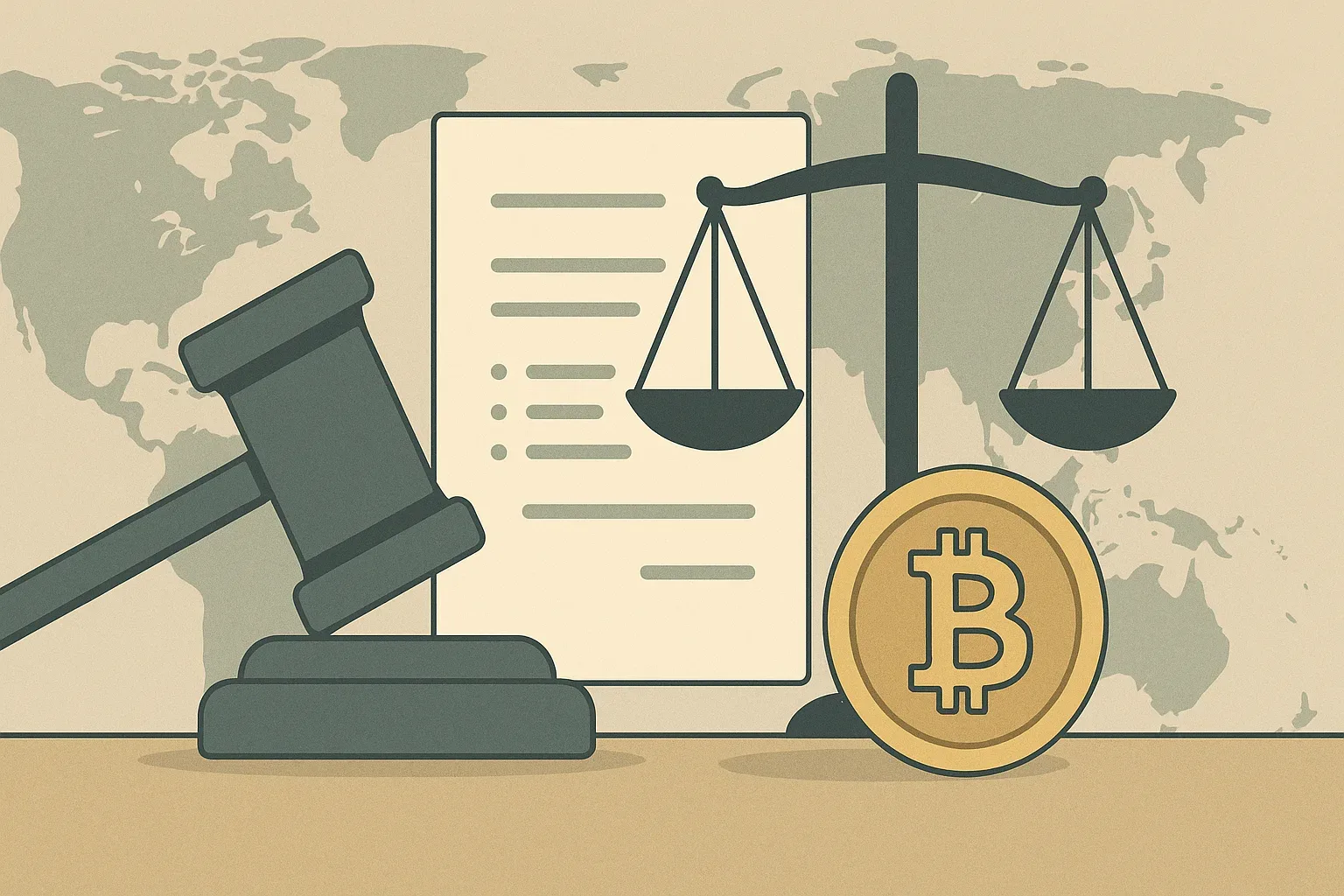
Government Regulation
Government Regulation: a practical, no-hype guide for readers from Checkbtctransaction.

The Inevitable Intersection: Why Government Regulation is Key to Crypto's Maturation
The journey towards a regulated crypto landscape is complex, marked by varying philosophies and priorities across jurisdictions, but its outcome will define the trajectory of this transformative industry.
The initial appeal of cryptocurrency often revolved around its promise of decentralization, operating outside the traditional financial system and its associated regulatory oversight. For crypto to transition from a speculative asset class to a legitimate, integrated component of the global financial infrastructure, government regulation is not just beneficial, but essential. Its primary purpose is multifaceted: protecting retail and institutional investors from fraud, market manipulation, and custodial failures; safeguarding financial stability by preventing systemic risks that could emerge from interconnectedness with traditional finance; combating illicit activities such as money laundering and terrorist financing through robust Anti-Money Laundering (AML) and Know Your Customer (KYC) protocols; and promoting market integrity through transparent practices. Without a clear regulatory compass, the crypto market remains a wild west, deterring institutional participation and hindering widespread adoption due to perceived instability and lack of recourse. This push for structure aims to build a foundation of trust that is critical for any financial system to thrive.
A Global Spectrum: Understanding Diverse Regulatory Approaches to Crypto Assets
The global landscape of cryptocurrency regulation is far from monolithic; it is a fragmented tapestry woven from diverse economic philosophies, technological understandings, and risk appetites. Some nations, like China, have opted for outright bans on crypto trading and mining, citing financial stability and capital control concerns. Others, such as El Salvador, have embraced Bitcoin as legal tender, reflecting a bold, albeit controversial, adoption strategy.
What are the primary types of government regulations being implemented across major global markets for cryptocurrencies? One common strategy involves classifying crypto assets to fit within existing financial regulations. This approach applies the comprehensive rules governing traditional investment instruments to digital assets, demanding specific disclosures and registration processes. Specific regulations include licensing requirements for Virtual Asset Service Providers (VASPs) covering exchanges, custodians, and wallet providers; disclosure obligations for token offerings; capital requirements regulation for firms handling customer funds, ensuring they maintain adequate financial buffers to absorb potential losses; and comprehensive AML/CTF frameworks designed to prevent financial crimes. Jurisdictions like the European Union are pursuing comprehensive, bespoke regulatory frameworks such as the Markets in Crypto-Assets (MiCA) regulation, aiming for harmonized rules across member states. This mosaic of approaches creates both challenges and opportunities for global crypto businesses.
Market Vibrations: How Regulation Impacts Crypto Prices, Liquidity, and Volatility
Regulatory announcements, whether anticipated or sudden, send palpable ripples through cryptocurrency markets. How do specific regulatory actions directly influence cryptocurrency prices, trading volumes, and investor sentiment? News of a potential ban or stricter oversight in a major market can trigger significant sell-offs, as investors react to perceived risks or reduced accessibility.
Uncertainty breeds fear, leading to hesitant investment and capital flight, while regulatory clarity fosters confidence, encouraging long term holdings and new capital inflows.
Innovation vs. Control: The Regulatory Influence on Blockchain Development and Adoption
The core tension in crypto regulation lies between fostering innovation and asserting control to mitigate risks. What are the long term implications of varying government regulations on the decentralization and innovation potential of the crypto industry? The fear of regulatory action can lead projects to self-censor or avoid certain functionalities, particularly in the realm of decentralized finance (DeFi), where the lack of central intermediaries presents unique regulatory challenges.
Clear rules for stablecoins or tokenization could unlock new use cases for blockchain technology in payments, supply chains, and asset management by giving businesses and users confidence. This could lead to a more centralized and permissioned version of blockchain technology, potentially diluting its transformative power. The challenge is to craft rules that protect consumers and maintain financial stability without inadvertently crushing the very technological advancements they aim to govern.
Case Studies: Regional Regulatory Frameworks and Their Real-World Market Effects
The European Union is leading the charge with its comprehensive Markets in Crypto-Assets (MiCA) regulation. MiCA aims to provide a harmonized framework across all 27 member states, covering asset classification, issuance, and service provision, particularly for stablecoins and exchanges. Its introduction has already prompted many crypto firms to reassess their operational bases within Europe.
In the United States, the regulatory landscape remains fragmented and often contentious. The SEC generally views many cryptocurrencies as securities, leading to enforcement actions against unregistered offerings and exchanges. The Commodity Futures Trading Commission (CFTC), on the other hand, typically classifies Bitcoin and Ethereum as commodities. This jurisdictional dispute, coupled with varying state-level regulations (like New York's BitLicense), creates a complex and uncertain environment for businesses, often pushing innovation overseas. This fragmentation has demonstrably slowed institutional adoption compared to more coherent markets. Meanwhile, countries like Singapore and Hong Kong have adopted more progressive, albeit cautious, approaches, aiming to become crypto hubs. Singapore's Payment Services Act mandates licensing for various crypto activities, while Hong Kong has recently moved to allow retail trading under strict licensing, signaling a shift towards regulated openness to attract digital asset businesses. These clear frameworks, contrasting with the bans seen in China, attract significant capital and talent, illustrating how regulatory clarity can directly impact a region's competitiveness in the global crypto economy.
Navigating the Future: Predictions for Global Crypto Regulation and Market Evolution
The trajectory of global crypto regulation suggests an increasing trend towards comprehensive oversight, though harmonization will likely remain an ongoing challenge. What potential scenarios could emerge from future government regulation, and how might they shape the crypto market in the coming years?
Central Bank Digital Currencies (CBDCs) will also play a pivotal role. As governments explore issuing their own digital currencies, they will inevitably exert more control over the digital payment rails, potentially influencing the usage and utility of private cryptocurrencies. We might see a two-tiered system where regulated, permissioned CBDCs coexist with permissionless public blockchains, each serving different functions. The regulation of Decentralized Autonomous Organizations (DAOs) and other truly decentralized protocols will present a unique challenge, potentially requiring novel legal frameworks that diverge from traditional corporate law. The application of Artificial Intelligence (AI) in regulatory enforcement and compliance is also an emerging trend, promising more efficient monitoring and risk assessment. The market will likely mature into one with clearer entry points for institutions, potentially less extreme volatility, but also tighter controls on illicit activity and greater integration with traditional financial systems. This evolution will require adaptability from all market participants, mirroring the broad scope seen in federal acquisition regulation and other areas of governmental oversight.
The Path Forward: Balancing Innovation with Investor Protection and Financial Stability
The future of cryptocurrency hinges on a delicate balance: fostering the innovation that blockchain technology promises while simultaneously establishing robust safeguards for investors and the broader financial system. The path forward requires continuous dialogue and collaboration between regulators, innovators, and market participants. How can crypto businesses and investors best adapt to an evolving and often fragmented global regulatory landscape? This involves investing in robust legal and compliance teams, leveraging RegTech solutions, and operating with a "compliance-first" mindset.
For investors, adapting means prioritizing due diligence, understanding the regulatory status of the assets they hold and the platforms they use, and staying informed about global regulatory developments. Diversifying exposure across different asset classes and jurisdictions can also mitigate risks associated with sudden regulatory shifts in one region. Ultimately, a balanced regulatory approach should aim to create a level playing field, promote fair competition, protect consumers, and manage systemic risks, without stifling the transformative potential of decentralized technologies. The goal is not to eliminate risk entirely, but to manage it intelligently, allowing the crypto market to achieve its full potential within a framework of trust and stability. This long term maturation will benefit all stakeholders, paving the way for a more secure and inclusive financial future.